
Which is best? Refresh vs Rebrand.
You don’t always need to tear it all down and start again. A brand refresh lets you keep what people already recognise while sharpening the edges. That might mean a more modern logo, clearer guidelines, or a visual tidy-up, without losing the connection your audience already has.
It’s about progression, not reinvention. And it’s often the smarter move.
- Refresh vs Rebrand.
- Why Refreshing Can Make More Sense.
- How a Brand Refresh Actually Works.
- What You Gain From a Refresh.
- Where Refreshes Go Wrong.
- Thinking About Refreshing Your Brand.
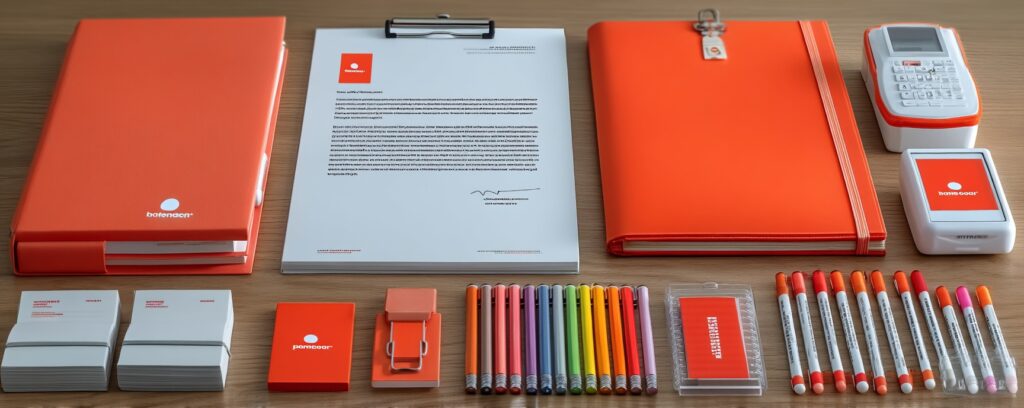
Why Refreshing Can Make More Sense.
- You’ve already built recognition. Throwing away familiar colours, logos or styles risks confusing loyal customers. A refresh updates without breaking what’s working.
- It costs less and causes less disruption. Full rebrands come with heavy rollout costs, design, print, signage, training. A refresh can avoid most of that and still give you an uplift.
- You need to flex, not fracture. If you’re expanding, moving online or shifting markets, a refresh helps your brand stretch to fit. You don’t need to break continuity.
- Your identity’s gone a bit wobbly. Years of inconsistent usage lead to drift. Different colours, off-brand files, mixed messages. A refresh realigns everything.
- You’ve had the “dated” feedback. If your audience or team say your brand looks tired, it probably does. Ignore it, and your credibility can start to fade too.
How a Brand Refresh Actually Works.
Here’s what a refresh typically involves when it’s done properly:
1. Clarify the brief.
What’s staying? What’s changing? Why are you doing this? You define the boundaries, the success measures, and the rollout plan. Otherwise, things drift, and fast.
2. Audit what you’ve got.
You look at how your brand is perceived now. What do people remember? What causes confusion? Which old assets still carry value? This isn’t guesswork, it’s practical research.
3. Explore bridging ideas.
You’re not starting with a blank canvas. You develop ideas that connect past and future. Tidy up the logo. Adjust colours. Improve legibility. Update the typography. But don’t throw the baby out with the bathwater.
4. Build the assets properly.
You create the final artwork and every version you need. You sort out spacing, kerning, and clarity. And you write clear usage rules so others don’t start hacking it apart.
5. Roll it out in waves.
Don’t flick the switch all in one go unless you have to. Start with digital. Then move to print, signage, clothing, and templates. Have a plan so the rollout doesn’t turn into a mess.
6. Track and tweak.
Check how it lands. Look at feedback. Spot inconsistencies. Then fix them. A refresh isn’t finished on launch day, it needs looking after.
What You Gain From a Refresh.
When it’s handled right, a refresh gives you:
– Recognition without confusion
– A clearer, more modern look
– Consistency across all your touchpoints
– Lower cost than a total overhaul
– A platform for future growth
It builds on your brand’s value instead of deleting it. You get the benefit of change without the cost of chaos.
Where Refreshes Go Wrong.
Done badly, a refresh can backfire. These are the usual culprits:
– Stripping out too much and losing recognition
– Following trends instead of principles
– Failing to define clear usage rules
– Skipping rollout planning
– Not measuring impact
Most of these come down to skipping steps or rushing the job. Which, let’s be honest, is always tempting, but always a mistake.
Thinking About Refreshing Your Brand.
You might not need a full rebrand. You might just need to tidy up what’s already there.
A refresh isn’t a shortcut. It’s a smarter route that balances what you keep with what you change. It lets you evolve without starting over, and avoids making a mess along the way.
If your brand’s feeling tired, inconsistent, or just a bit wobbly, let’s talk.
We’ll help you sharpen it up and move things forward without throwing everything in the bin.

Written by: Simon
Simon heads up Games & Theory at Toast. He helps people solve problems. From naming and positioning through to conversion and retainment, Simon helps our branding clients grow their businesses.