
Let’s examine why brand strategy should outlive campaigns.
- Why short-term thinking is a problem.
- What brand strategy actually means.
- Campaign fatigue is real. Strategy isn’t.
- Brands live in memory. Campaigns don’t.
- Build once, use often.
- When strategy outlasts the spend.
- Closing thoughts.

Why short-term thinking is a problem.
If your brand only lives in your latest campaign, it’s going to die the moment your media budget runs out. Campaigns are important. They grab attention, drive short-term action and deliver results. But they’re not the brand. If your campaigns keep reinventing the wheel, your brand becomes forgettable.
“Brands live in memory. Campaigns don’t.”
It’s like constantly changing the cover of a book no one’s read. No one remembers the cover. They remember the story. Brand strategy is the story.
What brand strategy actually means.
Brand strategy isn’t a moodboard or a set of colour swatches. It’s the logic behind how your brand shows up in every touchpoint. It’s the big idea that holds everything together, from product names to how your staff answer the phone.
“Without a brand strategy, every campaign starts from zero.”
A good strategy gives your brand a spine. It should survive the departure of your CMO, a creative agency switch, or even a full rebrand. If it can’t, then it was never really a strategy in the first place.
Campaign fatigue is real. Strategy isn’t.
Campaigns are exciting, but they have a short shelf life. You get a creative idea, push it live, and start watching the metrics. And then, inevitably, it gets stale. People get bored. Performance drops. Cue: the next campaign.
“A clear brand strategy reduces waste, speeds up production and builds consistency.”
Brands that lean too heavily on campaigns end up chasing their own tails. They rely on short-term hits to cover for the lack of long-term clarity. You don’t just need a new message. You need a strategy that makes every message make sense.
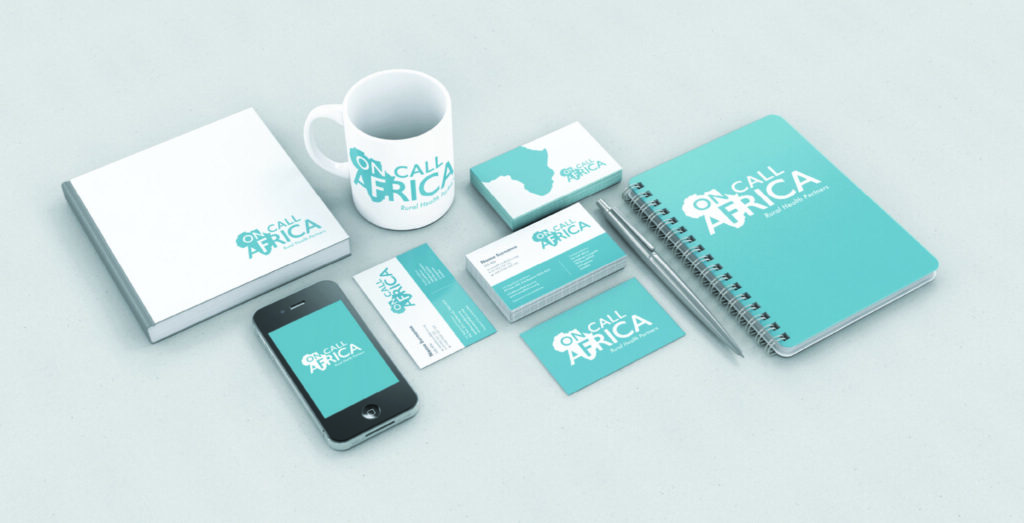
Brands live in memory. Campaigns don’t.
Ask someone to name their favourite brands. Now ask them to name a campaign they saw three years ago. See the problem?
Campaigns work best when they sit within a wider, recognisable frame. That frame is your brand. It’s how people know what to expect from you. Without it, every campaign starts from zero. And every pound spent is working harder than it needs to.
Build once, use often.
The best brand strategies are built once, then used as a reference point across everything. That’s the whole point. It saves time, avoids confusion, and aligns your teams.
When your team knows what the brand stands for, they stop asking basic questions. They stop second-guessing tone of voice, design choices, or messaging priorities. You create fewer one-offs and more coherent outputs.
It also speeds up onboarding new agencies and staff. It lets internal teams move faster. And it reduces the risk of costly mistakes or mixed signals.
When strategy outlasts the spend.
A campaign might get someone’s attention once. A consistent brand strategy will make them remember you for years to come. Especially when that strategy is based on something meaningful.
We’ve seen it with clients who move from reactive campaigns to proactive branding. The difference in results isn’t just about money spent. It’s about direction. Strategy gives you that. And it keeps giving, long after the campaign has ended.
“If your brand keeps changing, it won’t stick.”
Look at brands that weather economic downturns, leadership changes or even PR disasters. Most of them have strong strategies in place. They don’t reinvent themselves every six months. They simply keep building on what they already own.
Closing thoughts.
Campaigns are short-term by design. Brand strategy is not. If you build it properly, it’ll survive the highs and lows of your marketing calendar. It’ll support your teams, sharpen your messaging and help your audience remember why they cared in the first place.
Don’t treat strategy like a one-time exercise or a dusty PDF. Make it active. Revisit it often. Let it guide your decisions. And if your campaigns aren’t working, don’t just look at the execution. Look at the foundations.
A brand is not a campaign. It’s what’s left when the campaign is over.