
How to Evolve Your Brand Without Losing Recognition or Value
Too many business owners believe branding must always mean starting from scratch: a new logo, a new identity, a full rebrand. From where I sit, that belief misses a key truth. Sometimes, what you need most is not a revolution but an evolution. That is what a brand refresh is. It lets you build on what already works, retain what your customers recognise, and tighten what feels loose or outdated.
A brand refresh is not a luxury. It is strategic. It is about meeting your market where it is now, not where it was. It is about preserving value and building momentum without losing what you have earned.
Talk to the Toast Branding Team Today
What Exactly Is a Brand Refresh, and Why It’s Different From a Full Rebrand
A brand refresh takes what you have and evolves it. It uses existing assets, equity, visual recognition, and customer goodwill. It keeps what works. It updates what no longer delivers.
By contrast, a rebrand discards almost everything. It’s suitable when your positioning, strategy, or audience has shifted so drastically that what you have no longer makes sense. But that path comes with greater cost, risk, and disruption.
With a refresh, you retain brand equity. Existing customers still recognise you. Your past investments remain useful. But you fix or modernise parts that drag you down.
When a Brand Refresh Is the Smart Choice
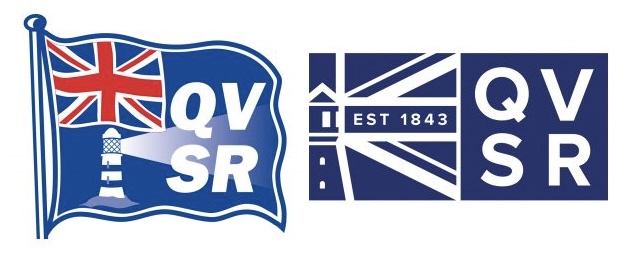
From my experience, there are key moments when a refresh is more appropriate than a full rebrand.
Your brand feels dated but still has strong recognition.
If your logo, typeface, colours or visual identity were trend-driven and now look old, a refresh will give you a cleaner, more modern feel without losing what people already recognise.
You want to tighten up but avoid alienating your existing customers.
If customers already trust your brand, a radical rebrand may confuse them. A refresh allows you to modernise while keeping familiar cues, tone, and signals your audience already accepts.
You are expanding or adding new products.
When you grow your offering, your current brand may no longer scale or stretch cleanly. A refresh can improve adaptability to new packaging formats, digital contexts, or new markets without resetting everything.
Your visual identity has drifted.
Consistency can be lost over years of minor tweaks by different suppliers, printers, or partners. Colours may vary, fonts may mismatch, and layouts may look sloppy. A refresh helps you realign these parts.
You have feedback or performance signals.
You may hear customers say your materials look old or see drop-offs in engagement or perception. Those are signs that your branding is costing you more than you realise. A refresh can deliver returns by resolving those weak spots.
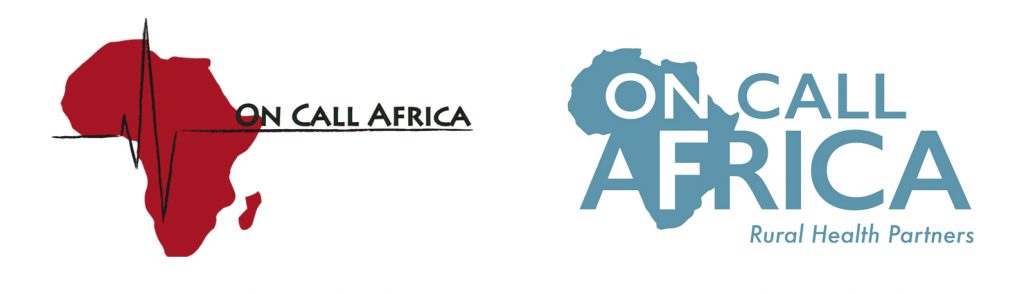
What a High Quality Brand Refresh Should Involve.
A refresh must follow a disciplined process to avoid wasting time or budget. Here are what I consider to be essential strategic steps.
-
A Clear Brief and Scope
You need a document clarifying why you want a refresh, what you want to achieve, and what you deliver. This includes:
- The driver for change (what feels dated, what no longer works)
- What will be evolved, what should remain
- What success looks like (recognition, customer perception, consistency)
- The scope of work (logo tweaks, visual identity updates, collateral refresh)
- How the rollout will happen
- Budget and timeframe
Even if your brand is younger or less established, having a brief ensures you avoid design drift.
-
Research Into What Your Brand Is Now
You cannot update in the dark. You must know how your brand is perceived. Research can include:
- Customer feedback and perception
- What parts of your identity are strongest in market recall
- What visual identity pieces consistently work or cause issues
- What history or brand elements may have nostalgic or value significance
This tells you what to keep, what to adapt, and what to retire.
-
Idea Generation with Respect for the Old and Eye on the Future
When generating concepts, you want them to do two jobs. Honour existing identity elements that carry value. Propose subtle improvements for clarity, usability, and style. That might mean:
- Redrawing your existing logo to adjust proportions or improve legibility
- Introducing new typefaces or refining colours for better digital readability
- Simplifying or polishing layout rules so they scale better on new formats
The creative work must be thoughtful. Fewer strong ideas are better than many weak ones.
-
Polished Artworking and Visual Identity Guidelines
Once a direction is chosen, you need quality craft. Artwork is the detail work. It includes finalising fonts, kerning, spacing, full-resolution vector files, and versions for different formats such as horizontal, stacked, or monochrome.
You also need visual identity guidelines or style guides. These ensure everyone uses your refreshed branding correctly. Internal teams, external partners, and suppliers must all align. Without clear guidelines, your brand refresh begins to drift almost immediately.
-
Rollout and Application
A brand refresh has no value if it stays in mockups. You need to plan how to apply the refreshed assets:
- Update print collateral, such as business cards, brochures, and signage
- Refresh packaging or product labels if you have them
- Update digital channels like your website, social media, and marketing materials
- Ensure internal touchpoints such as offices, uniforms, and communications reflect the new branding
Controlled rollout helps manage costs and ensures consistency.
-
Measure and Maintain
After rollout, you must evaluate the impact. Look for shifts in recognition, customer feedback, and engagement. Track any application inconsistencies. Plan for maintenance. A refresh is not a one-off cosmetic change. It should keep you aligned over time.

What Value a Brand Refresh Delivers
From a strategic perspective, a good refresh delivers value in several tangible ways.
Preserved brand equity
You keep what you have already built. Recognition, trust, and memories all carry real value.
Reduced cost compared with full rebrands
Because you evolve rather than replace, you use existing assets. You avoid complete redesigns and the retraining or relaunch costs that come with radical change.
Improved perception and relevance
Modernising your visual identity, improving clarity, and refining typography or colour can give a sense of renewed professionalism. That can help with recruiting, partnerships, and customer confidence.
Better consistency across channels
With updated guidelines and fresh visuals, you reduce inconsistencies, making your brand look more coherent, trustworthy, and reliable.
Stronger adaptability
A refreshed brand is better suited to digital platforms, different media, and new products or services. It becomes more flexible and scalable.
Common Mistakes to Avoid in a Brand Refresh Process
Doing a refresh poorly is worse than not doing it at all. Here are pitfalls I see often.
Losing what your customers recognise
In an attempt to modernise, you might strip out too many familiar elements. That risks losing recognition and confusing loyal customers.
Chasing trends instead of timeless design
Trends fade. What looks modern today may feel dated tomorrow. A refresh that leans too heavily on trend elements often requires another refresh sooner than expected.
Skipping the guidelines or using sloppy artworking
If you do not deliver proper files and guidelines, misuse happens. Colours reproduce poorly, layouts break, and logo distortions appear.
Ignoring internal alignment
If your team does not understand or accept the refresh, usage will become inconsistent. If suppliers or external partners are not properly briefed, you will lose control.
Failing to plan the rollout or measurement
A refresh that is never fully applied or evaluated becomes a half-done project. It may look good on paper, but it fails to make an impact.
Final Thought: A Refresh Can Change How You Are Seen Without Losing Who You Are
A brand refresh is not second best. It is often the smartest move for growing businesses that value what they have built and want to evolve. It lets you hold on to recognition and trust while stepping up and refining what no longer works.
Brand Refresh Is the Strategic Move
Toast Branding offers a path between too much change and too little. They offer evolution, not disruption. Craft, not chaos. Relevance, not volatility.
If your brand feels faded, inconsistent, or misaligned with where you want to go, a refresh may be exactly the strategic move you need.

Written by: Simon
Simon heads up Games & Theory at Toast. He helps people solve problems. From naming and positioning through to conversion and retainment, Simon helps our branding clients grow their businesses.