Let’s Discuss Why We Never “Just” Design a Logo
- Logos never stand alone.
- You’re building recognition, not a logo.
- Clarity before creativity.
- Identity is what makes it work.
- Logos age faster without support.
- Your audience doesn’t see just one piece.
- Start with identity, not style.
- Ask for identity, not just a logo.

Logos never stand alone.
Every few months, someone asks for “just a logo”. Not a brand. Not a system. Just a mark.
This always rings alarm bells.
Not because logos aren’t important, they are. But thinking you can design one in isolation, without considering where and how it’ll be used, is a fast track to wasting time and money.
A logo might be the face, but it’s the whole body that people notice.
You’re building recognition, not a logo.
A logo on its own doesn’t say much. It’s just a shape. What gives it weight is everything around it: how it’s used, where it shows up, and what it connects to.
Think of the Nike swoosh. It’s not memorable solely because of its shape; it’s memorable because we’ve seen it everywhere. On shoes, in ads, in sport, on people.
The logo is an anchor. Identity is the system that builds the association.
Clarity before creativity.
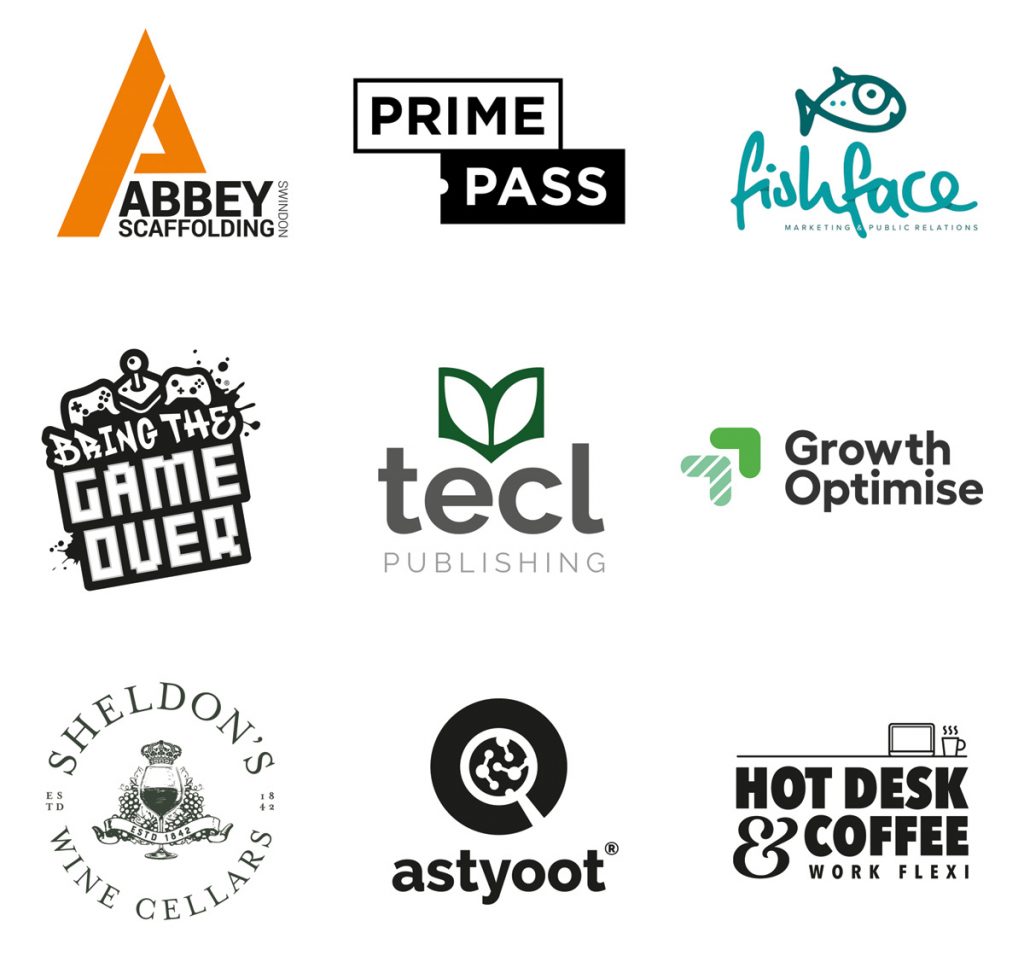
Many people try to say everything in a single logo: heritage, values, ambition, playfulness, seriousness, confidence… all in one go.
The result? A muddle.
This typically occurs when the design begins before the strategy is established. If you don’t know what your brand stands for, you end up chasing meaning through visuals. And that never works.
Start with who you are and who you’re for. Get the clarity sorted first. The right logo direction follows naturally after that.
Identity is what makes it work.
So the logo’s approved. What next?
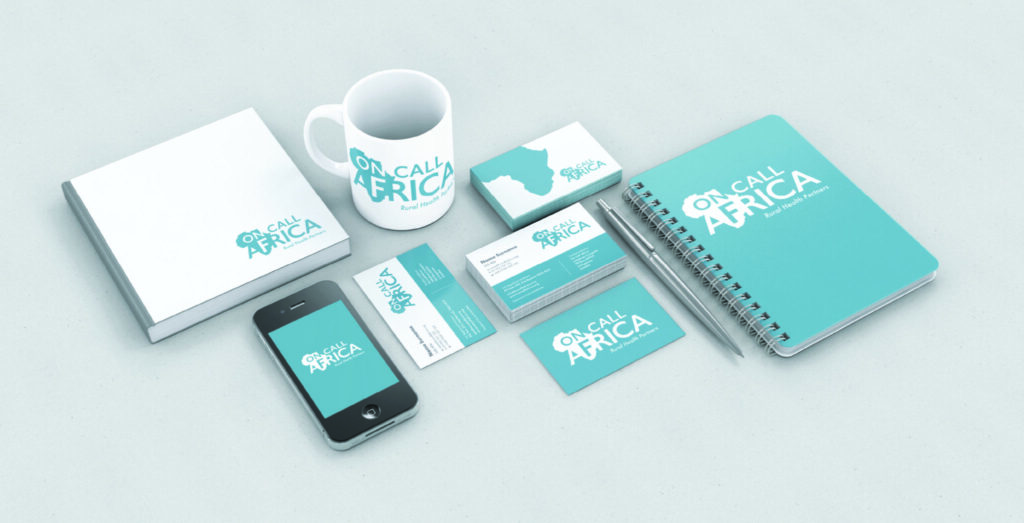
Now you need to use it on stationery, social media, signage, invoices, vehicles, packaging, and presentations. And that’s where things fall apart for a lot of people.
Without a clear identity system, everything becomes a matter of guesswork. What font should we use? Where should the logo go? What background works best?
If everyone’s winging it, your brand ends up looking like a mess.
An identity system removes the guesswork. It provides structure and consistency, ensuring your brand appears consistently, with confidence.
Logos age faster without support.
Often, businesses become tired of their logo and think it needs to be replaced.
It usually doesn’t.
What’s often missing is the supporting system.
- No flexibility.
- No structure.
- No rhythm.
So the logo has to do everything, and of course, it wears out quickly.
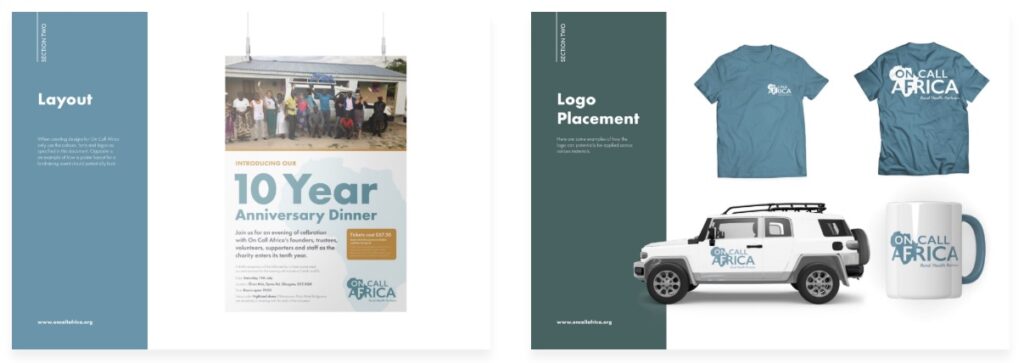
If your logo is part of a wider, adaptable identity, it can evolve naturally. You can change things around it, such as layouts and colours, and the logo still feels fresh because the brand around it is doing its job.
Your audience doesn’t see just one piece.
People don’t experience your brand in neat, isolated pieces. They might see your logo on a van, your ad in a feed, your site on their phone, all in one sitting.
That means your brand has to work across formats, channels and environments. It has to feel joined up.
If your logo conveys one message but your tone of voice conveys another, you’re creating a disconnect. And disconnect erodes trust.
Start with identity, not style.
Design is not decoration. It’s communication. And it starts with understanding.
Jumping straight into visuals might feel productive, but without a clear idea of what the brand needs to communicate, you’re just making pictures.
Designers prefer specific references or trend boards. They want answers: Who is this for? What do we want to say? What are we trying to achieve?
Good design follows good decisions.
Ask for identity, not just a logo.
If you’re launching something new or going through a rebrand, don’t ask for a logo.
Ask for a visual identity.
That might be a simple toolkit or a complete system with templates, tone and rules. What matters is that it considers real-world use, digital, print, motion, and social.
- Ask how your logo scales.
- Ask how it adapts to different lighting conditions, such as light and dark backgrounds.
- Ask what it says and how it behaves.
And if you can’t answer those questions yet, then that’s your sign the job’s not a logo. It’s bigger than that.