
Let’s Examine Why Brand Application Makes Your Promotional Material Work.
- Why consistency matters.
- What brand application actually means.
- How merchandise becomes a brand tool.
- Getting it right in the UK market.
- How Toast Branding makes this easy.
- Practical steps to take.
- Final thought.
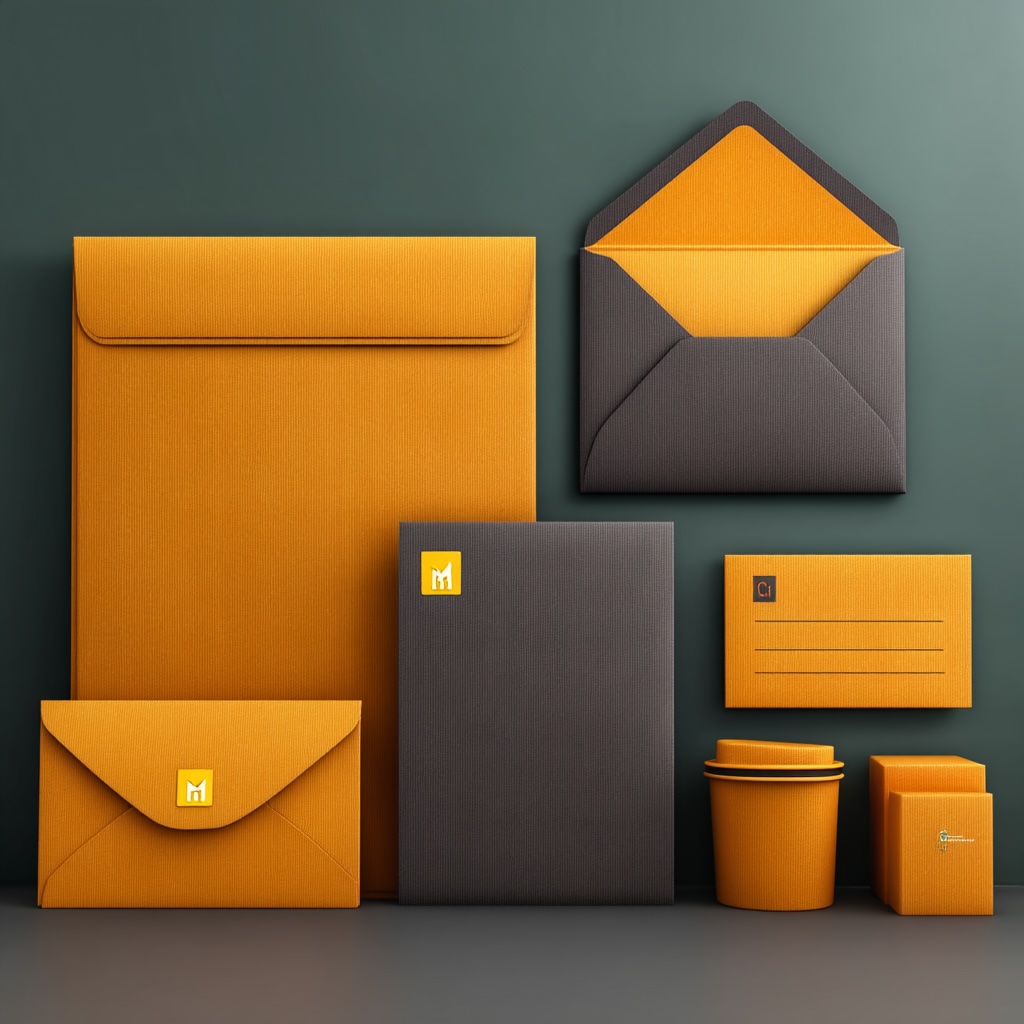
Why consistency matters.
Your brand is more than a logo. It’s everything people see, hear and feel about your business. However, the moment it starts showing up differently across platforms and materials, it begins to erode trust.
It’s the same as recognising someone’s face. If they suddenly change their hair, voice, and walk every time you meet them, you’d be confused. That’s what inconsistent branding does.
What brand application actually means.
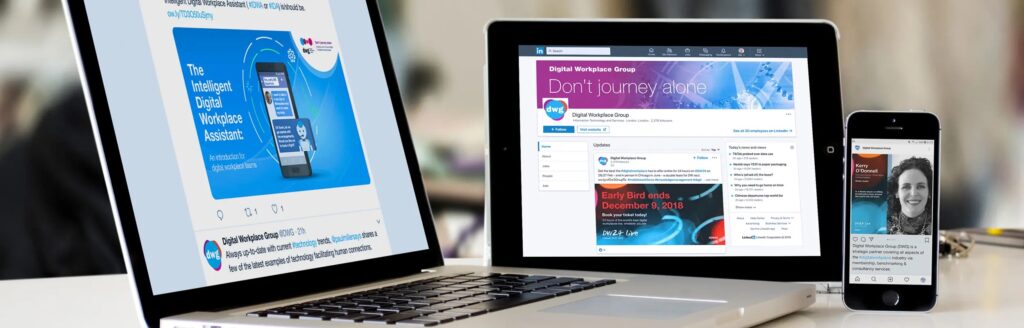
At Toast, brand application isn’t about producing more graphics; it’s about making sure your visual identity rolls out across everything: print, web, signage, merch, slide decks, you name it.
Think of it like this: you didn’t pay to have a brand identity created to hide it in a PDF somewhere.
How merchandise becomes a brand tool.
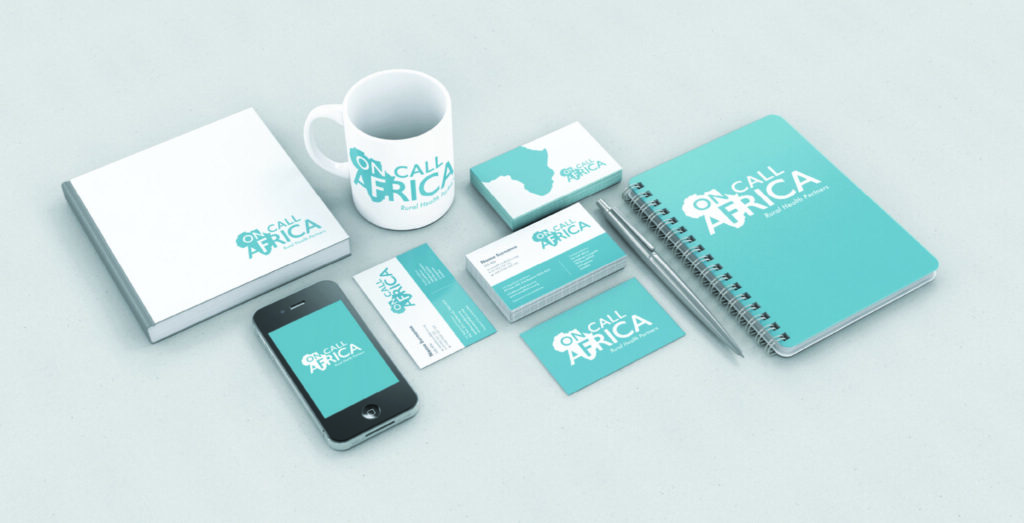
Merchandise isn’t just about giving people items with your logo on them. It’s about creating genuine moments of brand interaction in real life. Here’s where it starts to matter:
Physical touchpoint: A branded notebook or mug sits on someone’s desk, and your logo is seen every day.
Visual reinforcement: When your merch looks and feels like the rest of your brand, it adds weight and polish.
Extended reach: Promotional products get passed around, taken home, and reused, multiplying brand exposure.
Getting it right in the UK market.
You can now get promotional items printed on almost anything. But in the UK, there’s a glut of suppliers. If you want to avoid cheap-looking results, your merchandise has to align with your brand application strategy.
That means applying your fonts, colours, logo lockups and tone of voice correctly, every time. Otherwise, it just looks like someone ordered 500 pens in a hurry.
How Toast Branding makes this easy.
This is where Toast steps in.
They’re not just a design agency; they become your on-demand design team.
That means all the fiddly bits, like applying logos, resizing graphics, and checking alignment, are handled.
From business cards to tote bags, everything feels like it’s from the same place, because it is.
And because they understand the brand from the inside out, you’re not starting from scratch every time you want a new brochure or batch of USB drives.
Practical steps to take.
If you want your branded merch to actually *do* something, not just exist, here’s how to approach it:
Do a quick audit. What have you already got? Does it match? Are you proud to hand it out?
Set brand application rules. Your guidelines need to go beyond ‘logo placement’. They should cover merch too.
Choose merch that gets seen. There’s no point in branding something that people throw away. Go for visibility and usefulness.
Keep it updated. Don’t let merch from five years ago sit next to freshly printed brochures; it’s jarring.
Use the right supplier. Avoid the cheapest. Look for suppliers who actually understand brand implementation.
Final thought on Why Brand Application Makes Your Promotional Material Work.
Branded merch is a multiplier. Done right, it boosts recall, adds polish, and reinforces your brand without you having to say a word.
However, this is only the case if the design is applied appropriately.
If you’ve already gone to the effort of developing a strong brand, it deserves to show up consistently everywhere, from your website to a branded coffee cup.
Toast makes sure that happens. It’s not just about making things look good; it’s about making everything work together.

Written by: Simon
Simon heads up Games & Theory at Toast. He helps people solve problems. From naming and positioning through to conversion and retainment, Simon helps our branding clients grow their businesses.

